Inside the Spaces Where Latinidad Is Being Rewritten in Real Time
Picture a room in Los Angeles where Afro-Dominican dembow blends into neo-soul and reggaetón. The crowd reflects the diaspora as it actually exists: Black, brown, multilingual, and impossible to flatten into a single identity.
Earlier this year, LatiNation Roots and Capicúa LA gathered that community to honor creator Monica Veloz, better known as Monica Stylemuse alongside honorees Aida Rodriguez, Roberto Hannibal, Adargiza De Los Santos, and Demetre Durham. The celebration also spotlighted Afro-Latine and Latino-owned brands including Soulfood Candles, Oui The People, Tropical Touches, Rizos Curls, Pisqueya, Breath in the City, and Caribeña Sazon.
What happened in that room points to something bigger. Afro-Latine media isn't simply expanding representation. It's creating spaces where identity, community, and culture can exist on their own terms.
From Invisible to Intentional: The Macro Shift
For decades, "Latino media" defaulted to a specific visual language: lighter-skinned, mestizo, Spanish-dominant, and often geographically flattened. Afro-Latine stories, when they appeared, were seasonal or symbolic. U.S. Latine purchasing power now exceeds $3 trillion — yet the industry still renders that audience through a narrow visual lens.
That shift didn't happen because corporations discovered diversity. It happened because Afro-Latine creators stopped waiting for permission and started building their own platforms.
LatiNation Roots is part of that new architecture: a platform that doesn't position Blackness within Latinidad as a niche, but as a structural throughline. That intentionality isn't accidental — it's editorial. Under the leadership of Eliana Reyes, Head of LatiNation Roots, Exec-Producer, Showrunner & Host, the platform treats Afro-Latine identity not as a category, but as a core lens shaping what gets made and how it's told — an approach that feels especially resonant as more women of color move from being subjects of stories to authors of them.
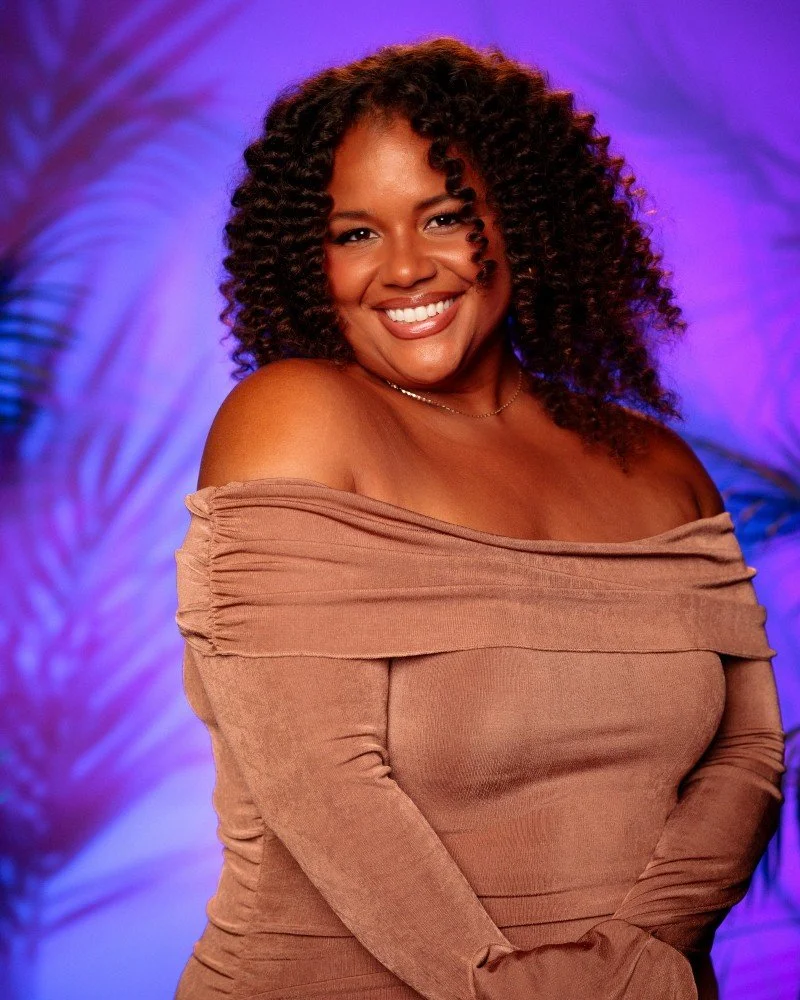
"It means everything to me. I'm building the space I wish I had while navigating my identity after moving from the Caribbean to the Midwest. Afro-Latino and Afro-Caribbean cultures have long shaped global pop culture, yet the communities behind them are rarely centered. Our cultures, identities, hair, histories, and folklore are not trends; they are legacies that we inherit and the footprints of our ancestors. Now, we carry the responsibility to honor, preserve, and amplify them."
She continued: "Through thousands of interviews and years of work, I've seen how many Afro-Caribbean, Afro-Latine, and Caribbean Latine people in the U.S. feel like they don't belong. I've also met Black Americans with Latino roots who are constantly navigating and questioning their identities. We need this space consistently, not just during certain times of year. So my focus is on building a space that says: you belong here. Not just for Afro-Latine or Afro-Caribbean communities, but for anyone in the Black diaspora who has ever felt they don't belong here nor there in the US."
Their editorial lens asks a foundational question that more mainstream Latine media still avoids: if you're not seeing Blackness when you picture Latinidad, what are you actually picturing?
Monica Stylemuse as Blueprint
Monica Stylemuse didn’t just create content; she defined a category before it existed.
Long before "Afro-Latina beauty" became a searchable category, Monica was documenting colorism, identity, and Black Dominican visibility online.
Creators like Monica matter because audiences don't simply follow content—they follow people who give language to experiences they've never seen fully articulated.
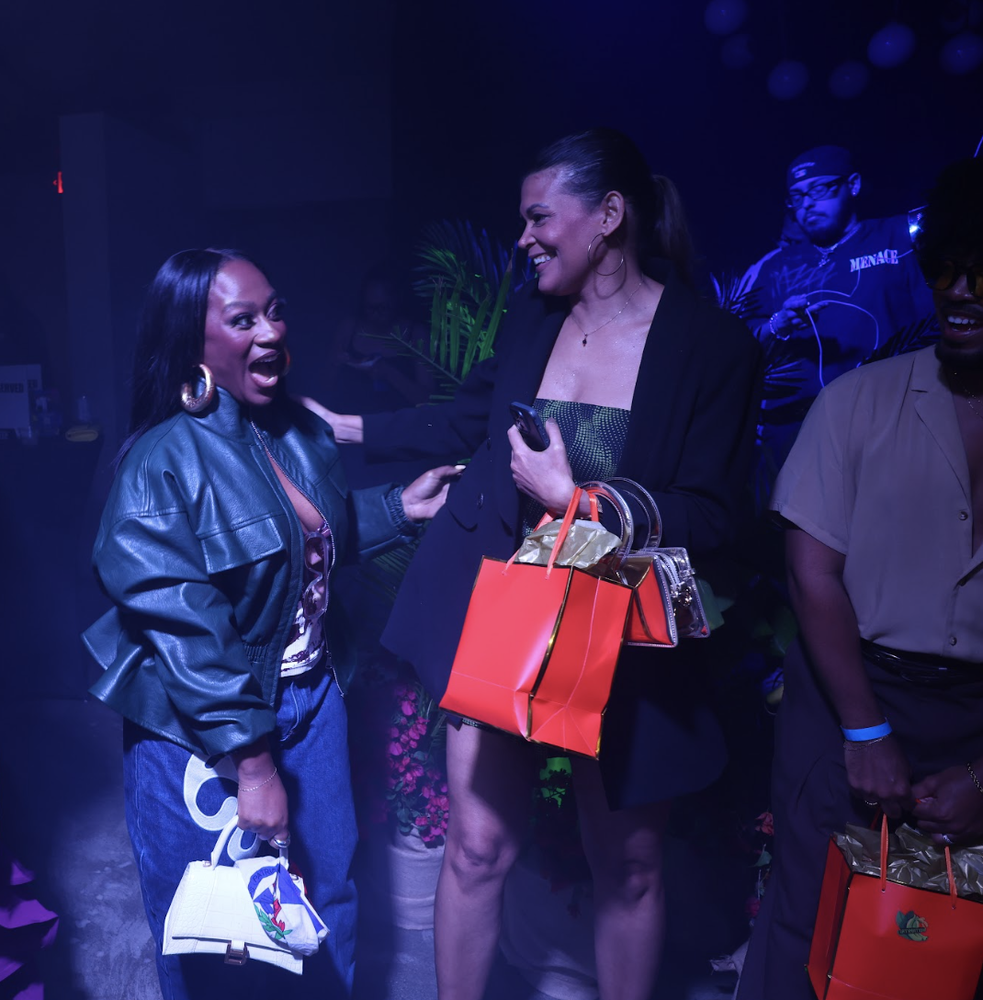
Monica Veloz y Aida Rodriguez
Eliana put it plainly: “Honoring Monica Veloz was special for me because she’s so unapologetic, and she’s helping Black and Afro-Latina women remember that they deserve to take up space and that we are beautiful, period.” That same unapologetic visibility is exactly what LatiNation Roots is building for LGBTQ+ Latine voices.
While many media companies spotlight LGBTQ+ Latine voices during Pride Month, LatiNation has spent decades building programming around communities often excluded from mainstream Latino narratives. That commitment extends beyond June, from a dedicated Queer vertical to a Gold Telly-winning Pride special exploring the lived experiences of HIV-positive people of color. The consistency matters more than the calendar.
Growing up, I rarely saw LGBTQ+ Latinos reflected in the Spanish-language media that shaped my childhood. That's what makes hosts like Francia, Kyo Figueroa, and Elijah Gil feel significant. They're not exceptions or special programming. Another example of how LatiNation Roots treats historically marginalized identities as central, not seasonal.
From Panel to Party: The Fourth Space Turn
In Vol. 08 of Emerging Culture, I wrote about Fourth Spaces. This is what I’ve been calling the “Fourth Space”: environments designed not just for gathering, but for cultural alignment. Third spaces (barber shops, salons, cafés, parks) offer proximity. Fourth spaces offer recognition. The difference is intention.
The LatiNation Roots x Capicúa LA gathering is a perfect example. When I asked Eliana about how IRL experiences fit into what Roots is building, she said something that I haven’t stopped thinking about:
“Community starts with getting people in the room and making them feel like they belong. I want to hug people, celebrate them, dance with them — and the only way I can do that is in real life, with some good food, good music, and good vibes. We’re losing the art of gathering in this new digital world, and research shows that loneliness and depression are spreading fast. We have to get out of isolation and be around each other.”
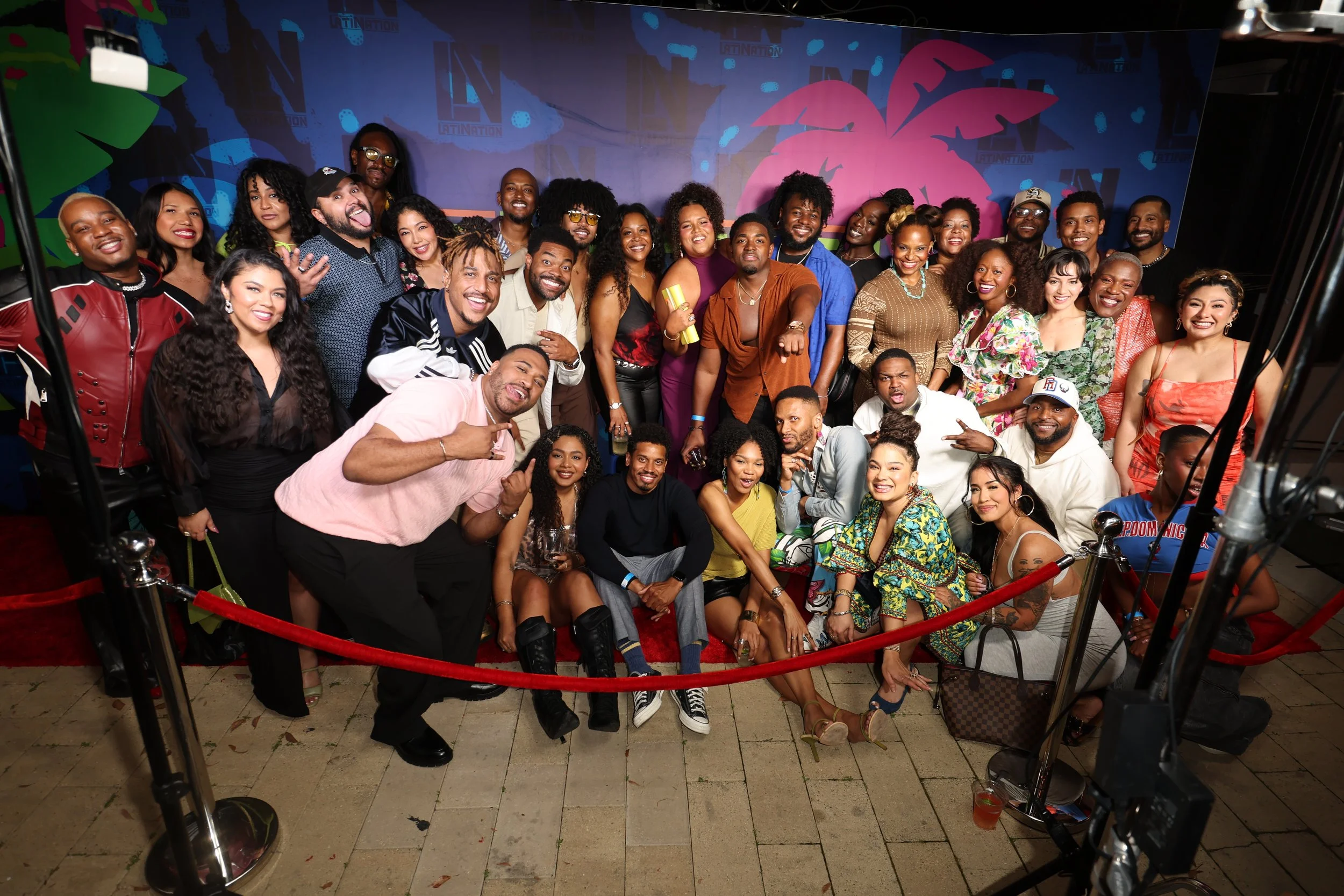
That instinct shows up in everything — including the reimagined set for their TV and digital show Blacktinidad, which Eliana rebuilt from scratch with designer Robin Rodriguez of Mi Clandestina to feel, in her words, like “a universal casita, a warm hug the moment you walk in.”
Why This Is the Emerging Culture Story
I've been an Afro-Latina from Harlem my entire life. I know what it feels like to navigate spaces that recognize you culturally but not racially—or racially but not culturally. I know the particular exhaustion of being a bridge that neither side fully claims. LatiNation Roots recognized that perspective when they featured me in Blacktinidad for Women's History Month in 2025 — [watch here] — being in that room felt like a continuation of that conversation.
What LatiNation Roots is doing, what Monica Stylemuse built, what that room in LA represented—it's the refusal to keep explaining yourself to people who benefit from your confusion.
The next wave of Latino media won't be defined by who gets invited into existing institutions.
It will be defined by who builds new ones.
What happened in that room in Los Angeles wasn't just an event. It was an infrastructure project.
For strategists, here are the signals:
What’s happening here isn’t a moment; it’s a shift in how culture is built, distributed, and experienced.
Distribution is no longer the advantage—community is. Anyone can reach an audience. Very few can convene them in real life with cultural credibility.
IRL is the new retention strategy. Digital builds awareness. Physical space builds memory—and memory builds loyalty.
Culture is moving from representation → ownership. This isn’t about being included in someone else’s narrative. It’s about controlling the narrative architecture.
“Latino” as a monolith is commercially outdated. Campaigns that ignore Black Latinidad aren’t just culturally off—they’re strategically incomplete.
The next media companies are experience companies. Platforms that can translate content into rooms will outperform those that stay on-screen.
Follow LatiNation Roots: Instagram | YouTube ← New channel, subscribe and help them grow.